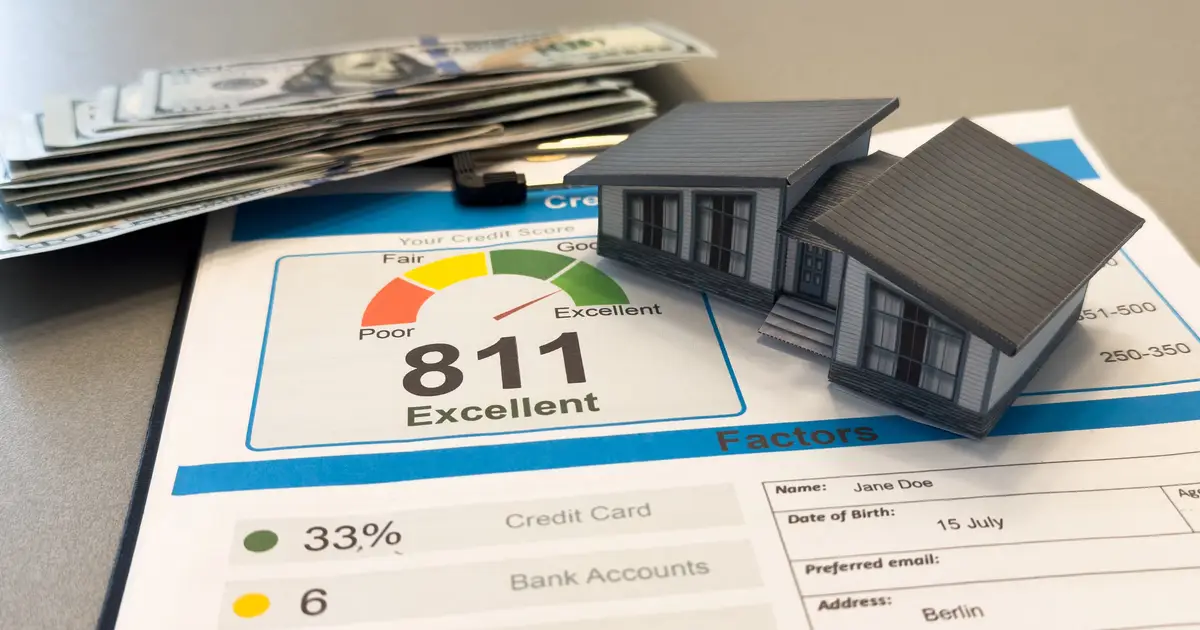
Your credit score isn’t the only factor lenders consider when evaluating a mortgage application, but it can play an important role in the financing options available to you. A stronger credit profile may improve your chances of qualifying for a mortgage and could help you secure more favorable loan terms.
The good news is that improving your credit doesn’t have to be overwhelming. While building or rebuilding credit takes time, a few intentional steps can make a meaningful difference before you begin shopping for a home.
Here’s how to get started.
Step 1: Know Where You Stand
Before making any changes, it’s important to understand your current financial picture.
Start by reviewing your credit reports from each of the three nationwide credit reporting agencies: Equifax, Experian and TransUnion. Federal law allows consumers to access free weekly credit reports through the centralized service authorized by the federal government. Reviewing your reports can help you identify errors, verify account information and understand what factors may be affecting your credit history.
Keep in mind that while your credit reports contain your financial history, your credit score is calculated using information from those reports. Different scoring models may produce slightly different scores, so don’t be surprised if the numbers vary.
Step 2: Check for Errors and Dispute Inaccuracies
Mistakes happen.
An account that doesn’t belong to you, an incorrectly reported late payment or an outdated balance could impact your credit profile. According to the Consumer Financial Protection Bureau, consumers have the right to dispute inaccurate information with both the credit reporting agency and the company that provided the information.
If you find an error, file a dispute as soon as possible. Corrections can take time, so it’s best to begin the process well before you apply for a mortgage.
Step 3: Pay Every Bill on Time
Payment history is one of the most significant factors used in many credit scoring models.
Even one missed payment can remain on your credit report for years and may negatively affect your score. If you’ve occasionally forgotten due dates, consider setting up automatic payments or calendar reminders to help you stay on track.
If you’re working to improve your credit before buying a home, making every payment on time is one of the most effective habits you can develop.
Step 4: Reduce Your Credit Card Balances
Another important factor is your credit utilization ratio, which measures how much of your available revolving credit you’re currently using.
For example, if you have a credit card with a $10,000 limit and carry a $5,000 balance, your utilization is 50 percent. Generally, lower utilization is viewed more favorably by credit scoring models. Experian recommends borrowers keep utilization as low as possible, with many financial experts suggesting staying below 30 percent whenever feasible.
Paying down existing balances before applying for a mortgage may improve both your credit profile and your overall financial flexibility.
Step 5: Avoid Opening New Credit Accounts
It may be tempting to finance new furniture, purchase a vehicle or apply for a rewards credit card before moving into your new home. However, opening new accounts can temporarily lower your credit score and increase your overall debt.
New accounts may also affect your debt-to-income ratio, another factor lenders evaluate during the mortgage approval process.
If possible, wait until after closing before taking on additional credit obligations.
Step 6: Don’t Close Older Credit Cards
Many consumers assume closing unused credit cards will improve their credit score. In some cases, the opposite may occur.
Closing an older account can reduce your available credit and shorten the average age of your credit history, both of which may influence your credit profile.
If an account has no annual fee and you’re able to manage it responsibly, keeping it open may be beneficial.
Step 7: Talk With a Mortgage Professional Early
One of the biggest misconceptions among homebuyers is that they should wait until they’re ready to purchase before speaking with a lender.
In reality, connecting with a mortgage professional several months before you plan to buy can provide valuable insight into your financial readiness. A lender can help you understand what factors may influence your mortgage application, discuss available loan options and identify areas where modest improvements could strengthen your overall borrowing profile.
Starting the conversation early also gives you time to address potential issues before they affect your home search.
Improving Your Credit Takes Time, But It’s Worth the Investment
Building stronger credit is rarely about making one dramatic change. More often, it’s the result of consistently practicing healthy financial habits over time. Paying bills on time, reducing outstanding balances and monitoring your credit reports can help strengthen your financial foundation not only for buying a home, but for future financial goals as well.
At Mutual of Omaha Mortgage, we believe knowledge is one of the most valuable tools a homebuyer can have. Whether you’re planning to purchase your first home in a few months or simply beginning to explore your options, our experienced loan officers can help you understand where you stand today and identify practical steps that may help you achieve your homeownership goals. By planning ahead and working with a trusted lending partner, you’ll be better prepared to move forward with confidence when the time is right.